How & Why It Works
Why we built Sluzzle
Many people do everything "right" for their sleep, yet still lie awake struggling at night.

— Edward Gorst, Founder
They've tried the usual guidelines, the apps, the gadgets and the quick fixes. But for many, these don't really improve their relationship with sleep. At the same time, many people aren't looking for therapy and just want a clearer, more helpful way of approaching sleep.
We built Sluzzle to bridge that gap.
We take the same evidence-based psychological insights commonly used in clinical practice and make them accessible to anyone who is tired of tossing and turning. We don't promise magic fixes, but we do provide carefully designed clinician-led courses focused on understanding sleep.
The first step’s free. No sign-up required.
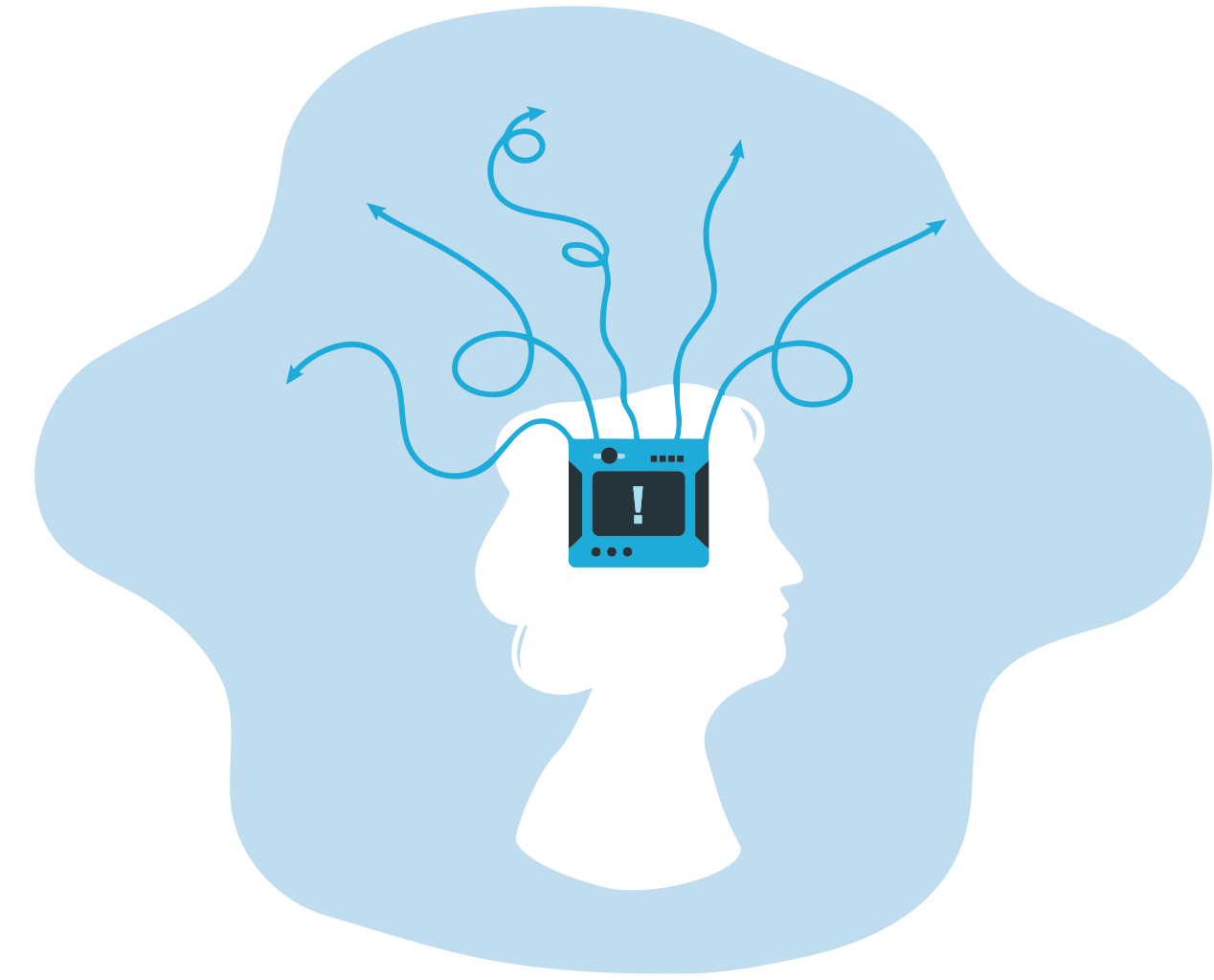
The "Problem-Solving" mind
Noticing when your brain switches into "monitoring mode" or starts scanning for things that might interfere with sleep.

The "What If" spiral
Recognising the mental loops about how tomorrow will go or how you will cope with being tired.
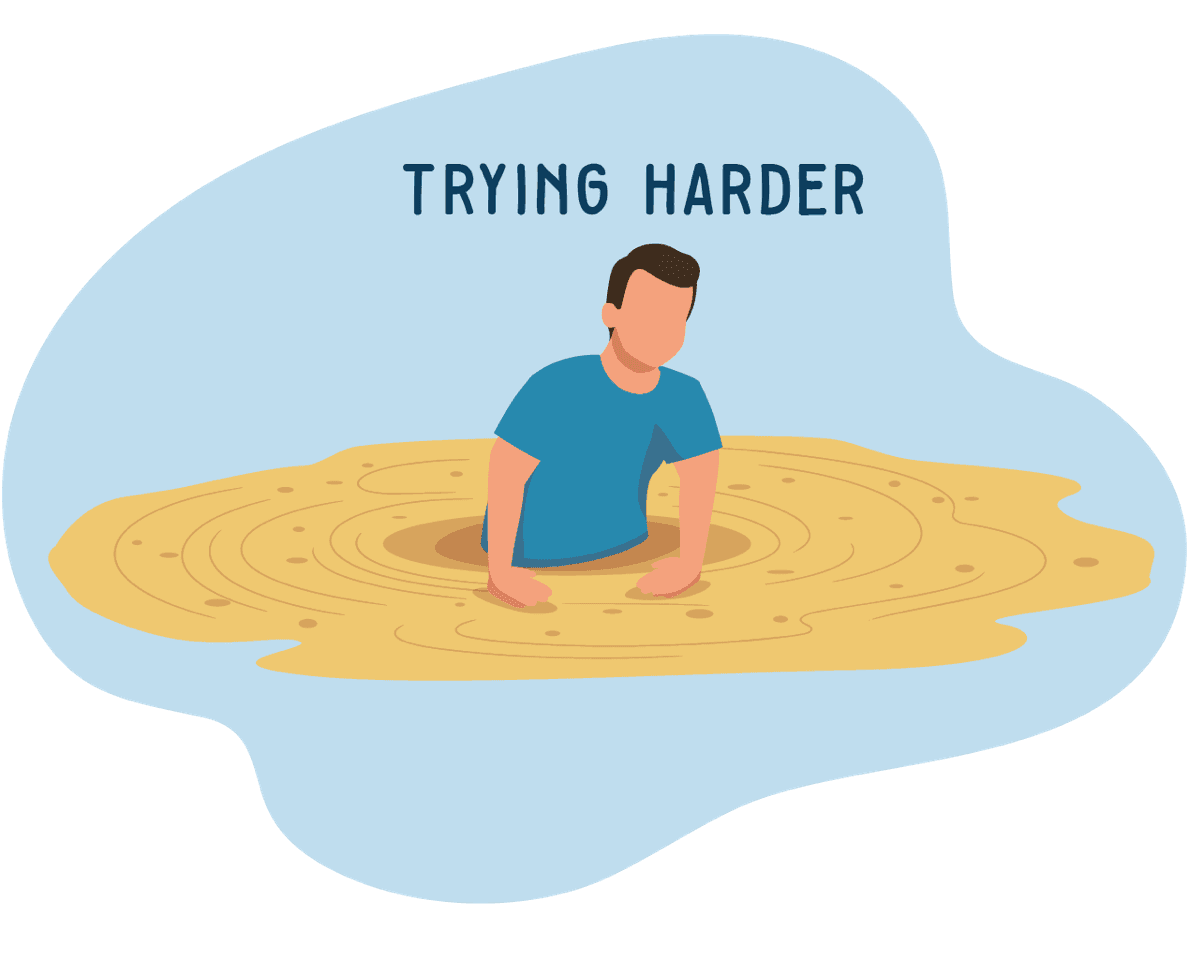
The Effort Trap
Catching the urge to force sleep to happen or the tendency to follow rigid "rules" just to feel safe.
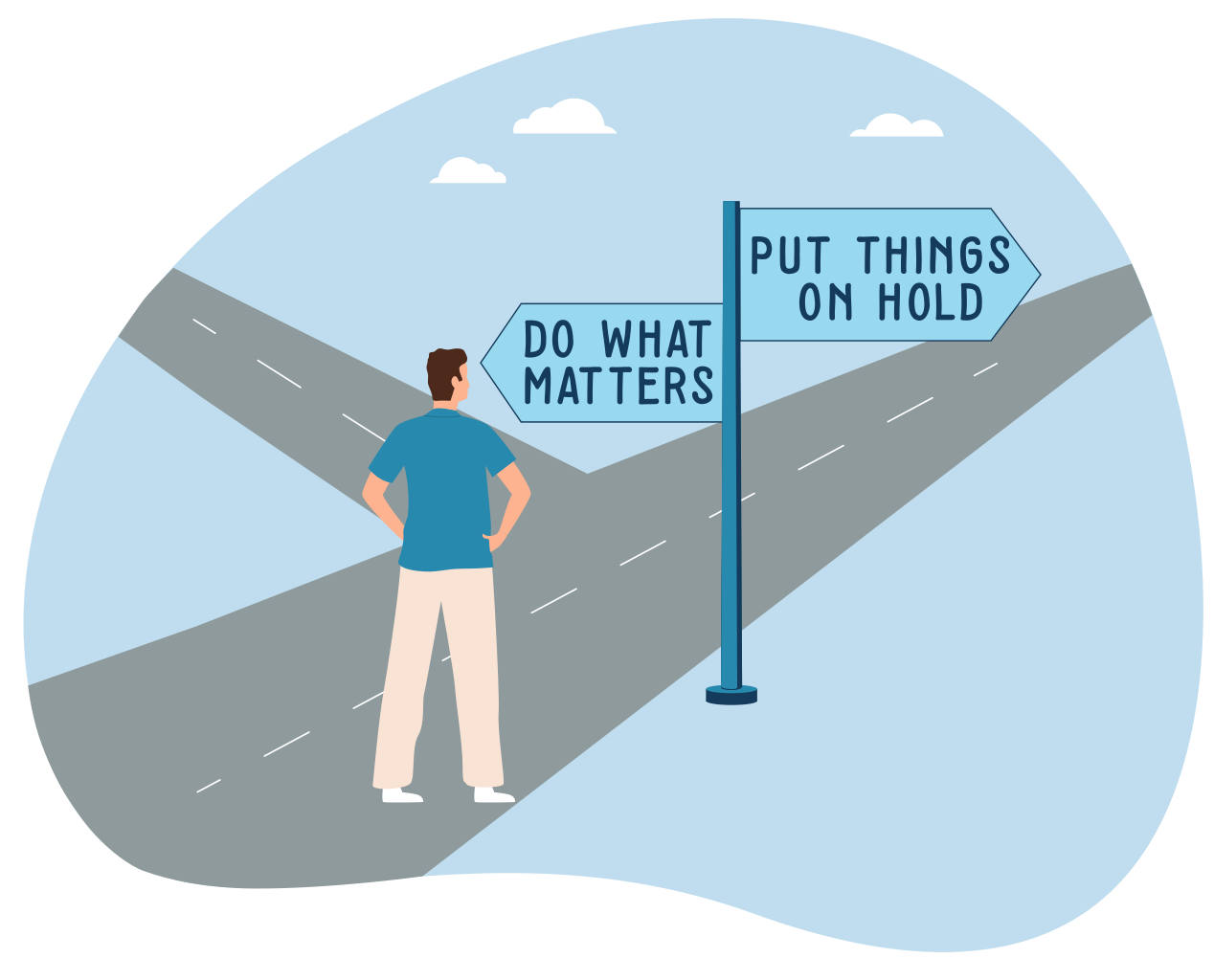
The Life "On Hold" pattern
Addressing if you find yourself cancelling plans or avoiding activities because sleep feels too uncertain.
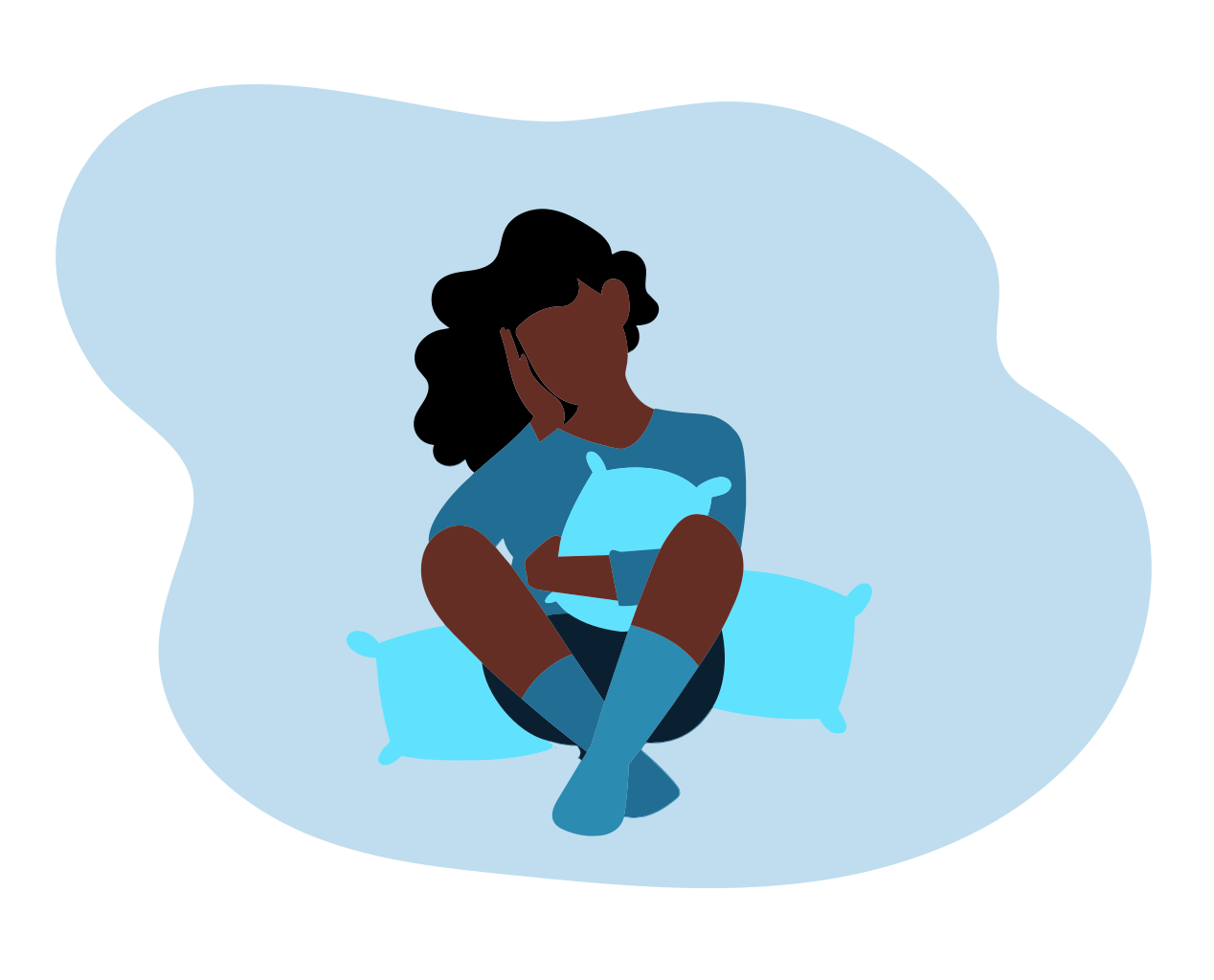
The Morning Review
Relating differently to any self-criticism and a sense of failure that can show up after a difficult night.
Instead of trying to change or remove these thoughts, you'll learn skills to respond to them with openness and kindness, not stress.
The Science
Relating to sleep differently
Acceptance & Commitment Therapy
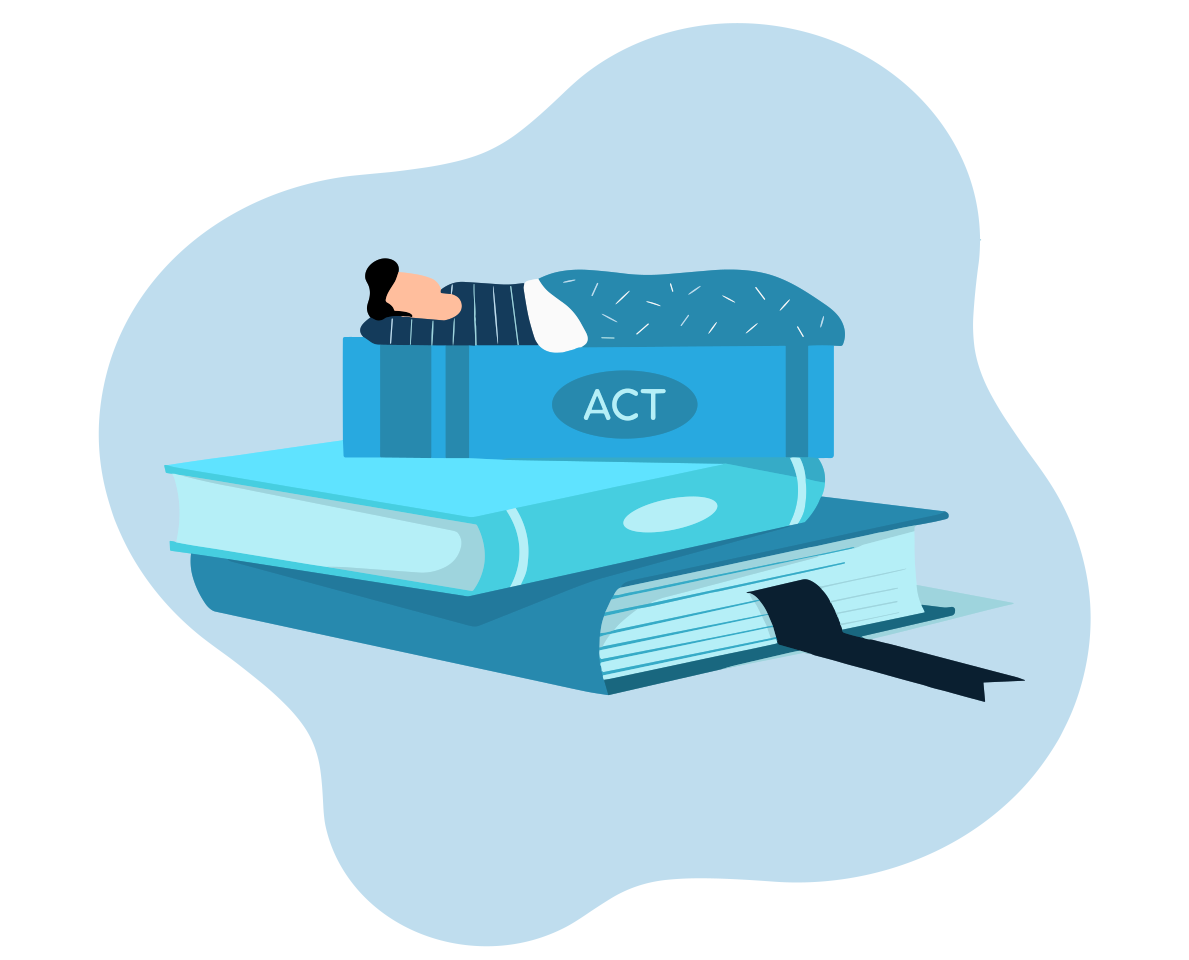
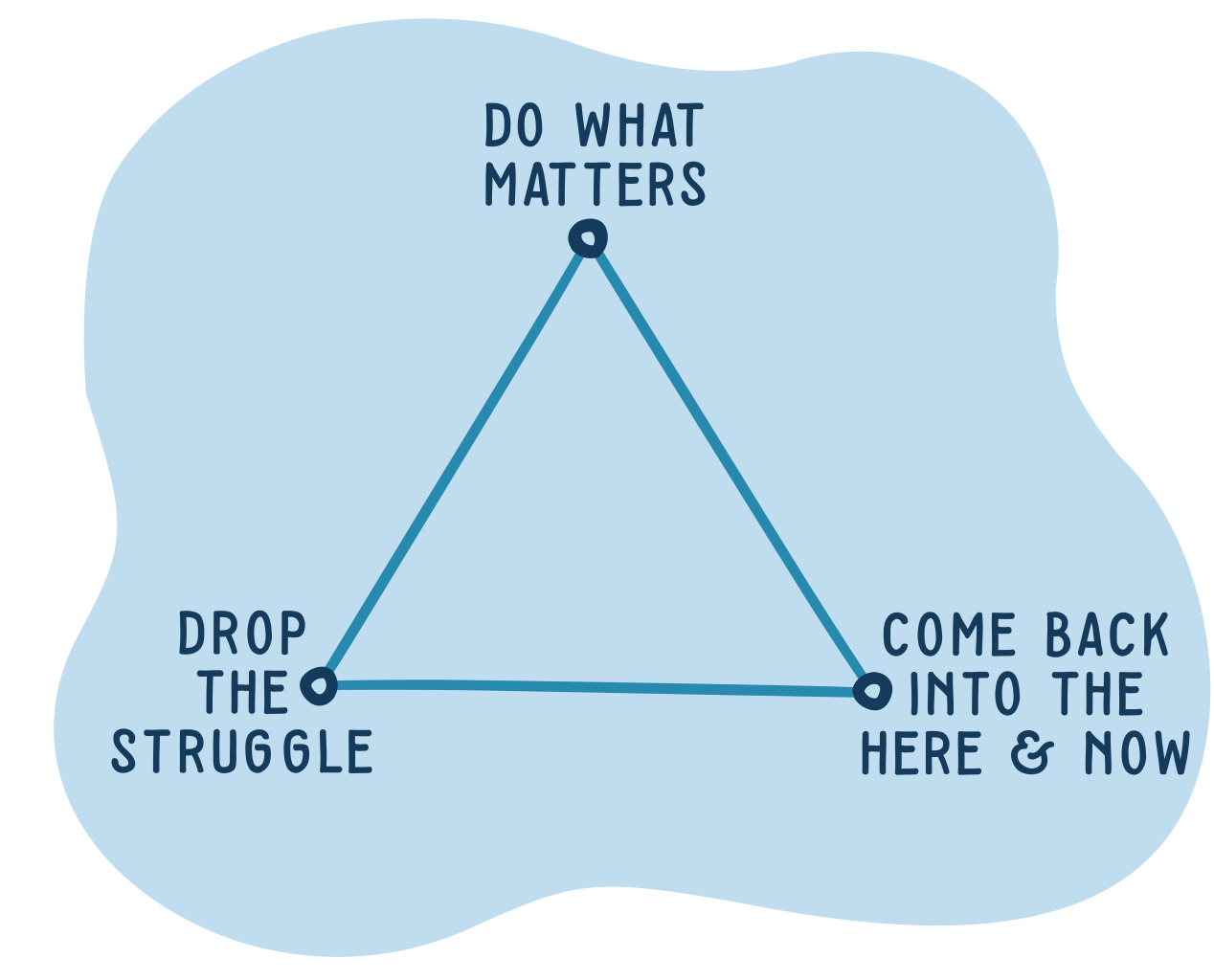
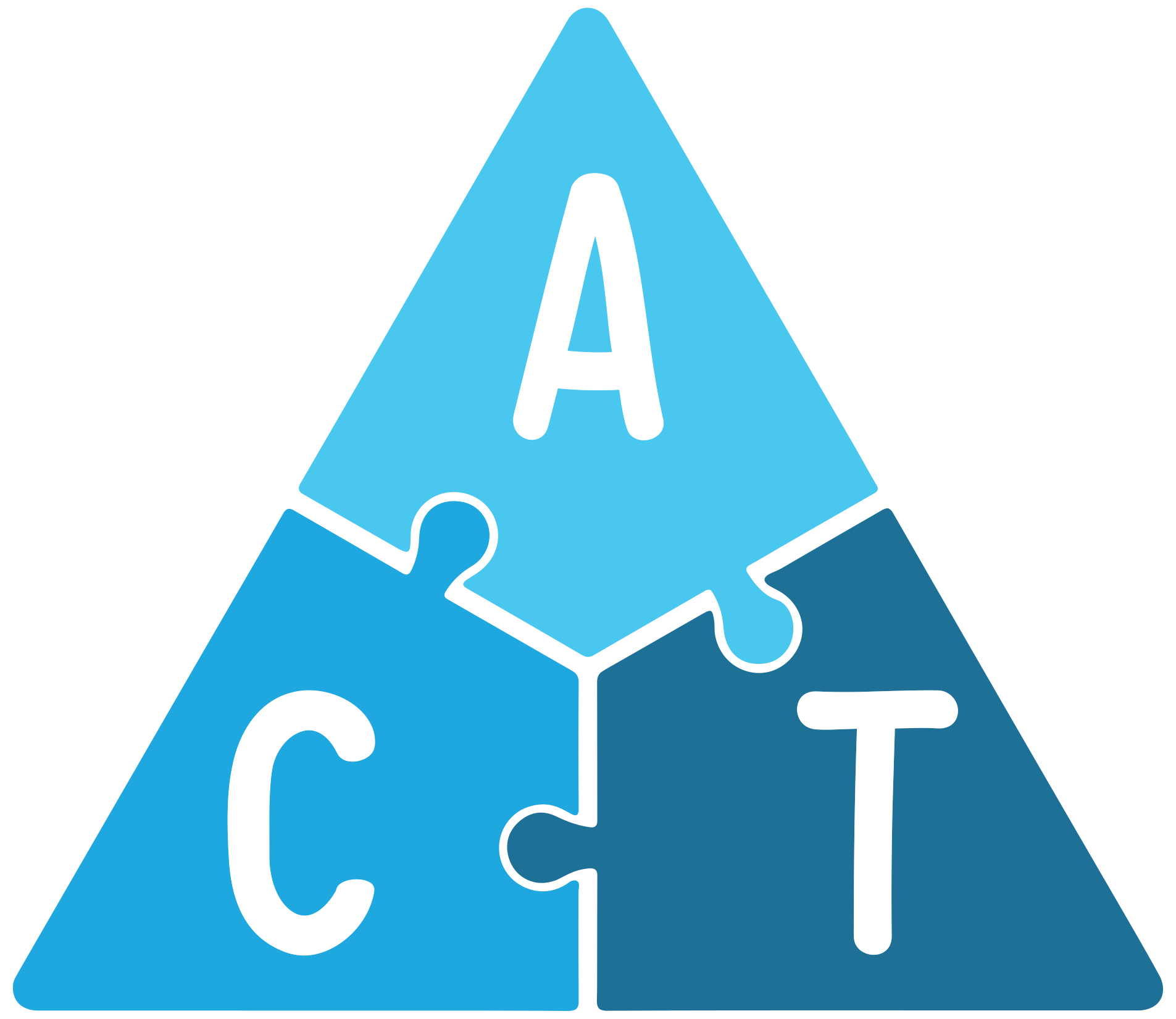
ACT focuses on helping you respond more flexibly to difficult thoughts and feelings, while continuing to move towards what matters in your life. In the context of sleep, this means learning new ways of relating to wakefulness, worries and anxieties around sleep, rather than trying to control or eliminate them.
Compassion Focused Therapy
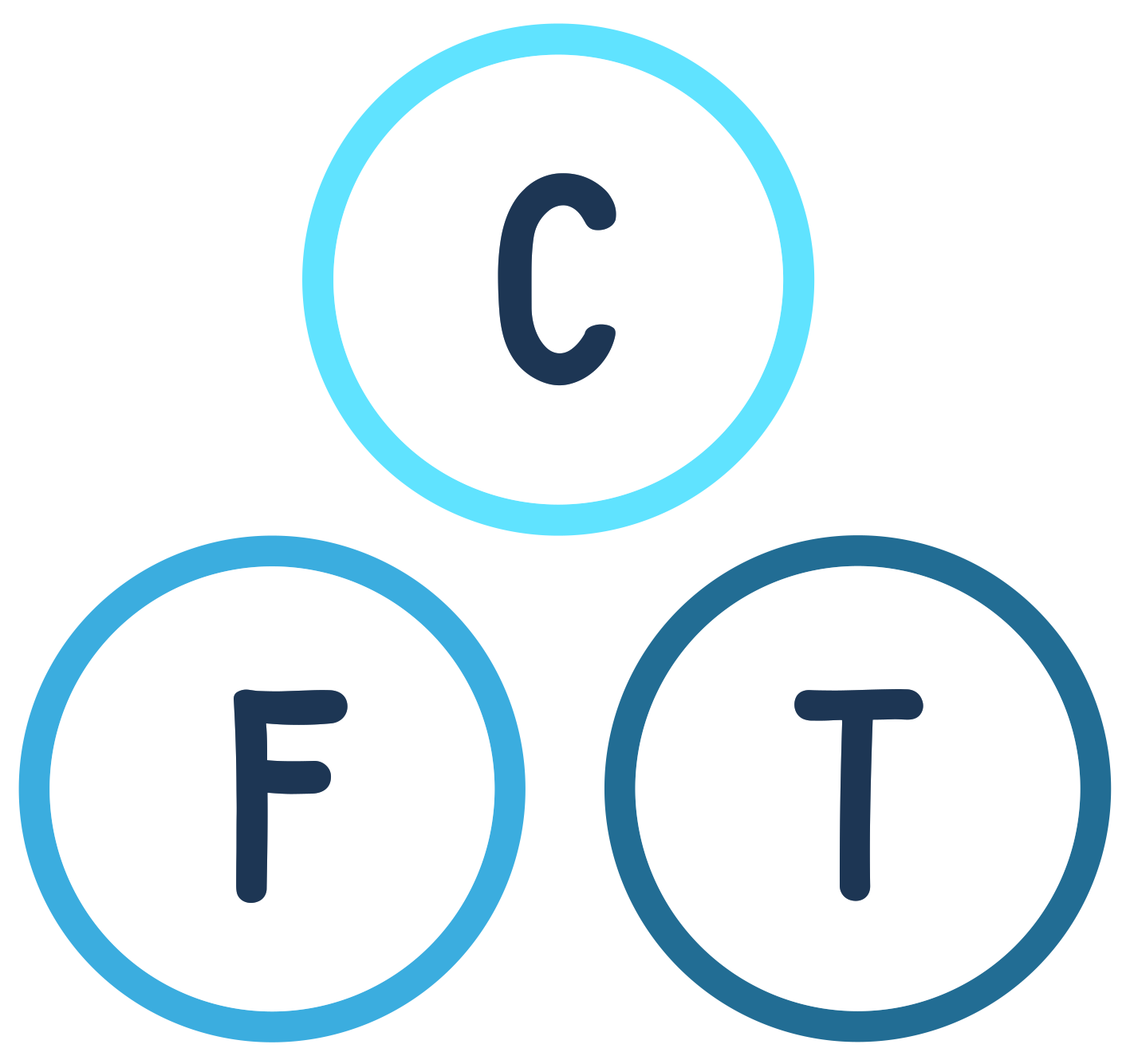
CFT focuses on helping people develop a kinder, more supportive way of relating to themselves, particularly when they feel stuck, frustrated or under pressure. For people struggling with sleep, this means learning how to respond differently to self-criticism and threat-based reactions that can make nights feel more tense and difficult.
Randomised Controlled Trials Completed
Peer Reviewed Assessments Done
Decades
Common Ground
Practical skills, not "pills or potions"
You'll notice we use words like Acceptance, Mindfulness, and Compassion. In some settings, these can sound a bit woo-woo, fluffy or vague. At Sluzzle, we treat them as practical, usable skills designed for everyday life.
01
Acceptance
Isn't giving up.
It's a way to stop fighting a battle you can't win in the middle of the night.
02
Compassion
Isn't about being “soft”
It's about lowering your brain's threat response so your body can feel more soothed.
03
Mindfulness
Isn't about an empty mind
It's a tool to manage a busy mind so you don't get stuck in mental loops at 3 AM.
No sitting cross-legged required. Just grounded, evidence-based skills designed to help you function better.
The first step of Sluzzle’s free.


Built for understanding
Sluzzle is carefully sequenced so the ides and skills are introduced gradually, in a clear order. This provides structured learning to build your skills layer by layer.
A coherent approach
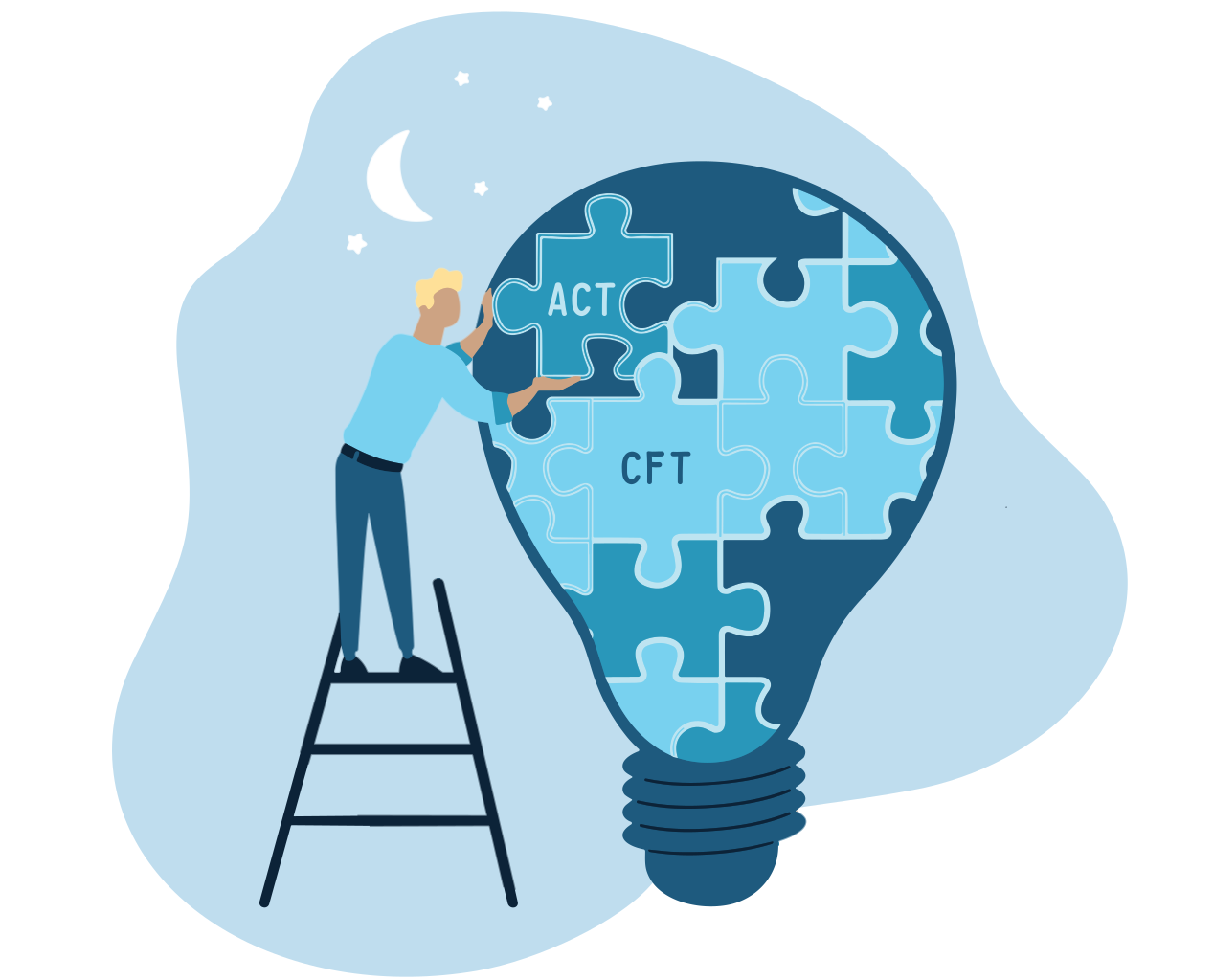
Sluzzle brings together different clinicians and complementary psychological perspectives, so you can explore the same ideas through different voices and find what resonates most for you.
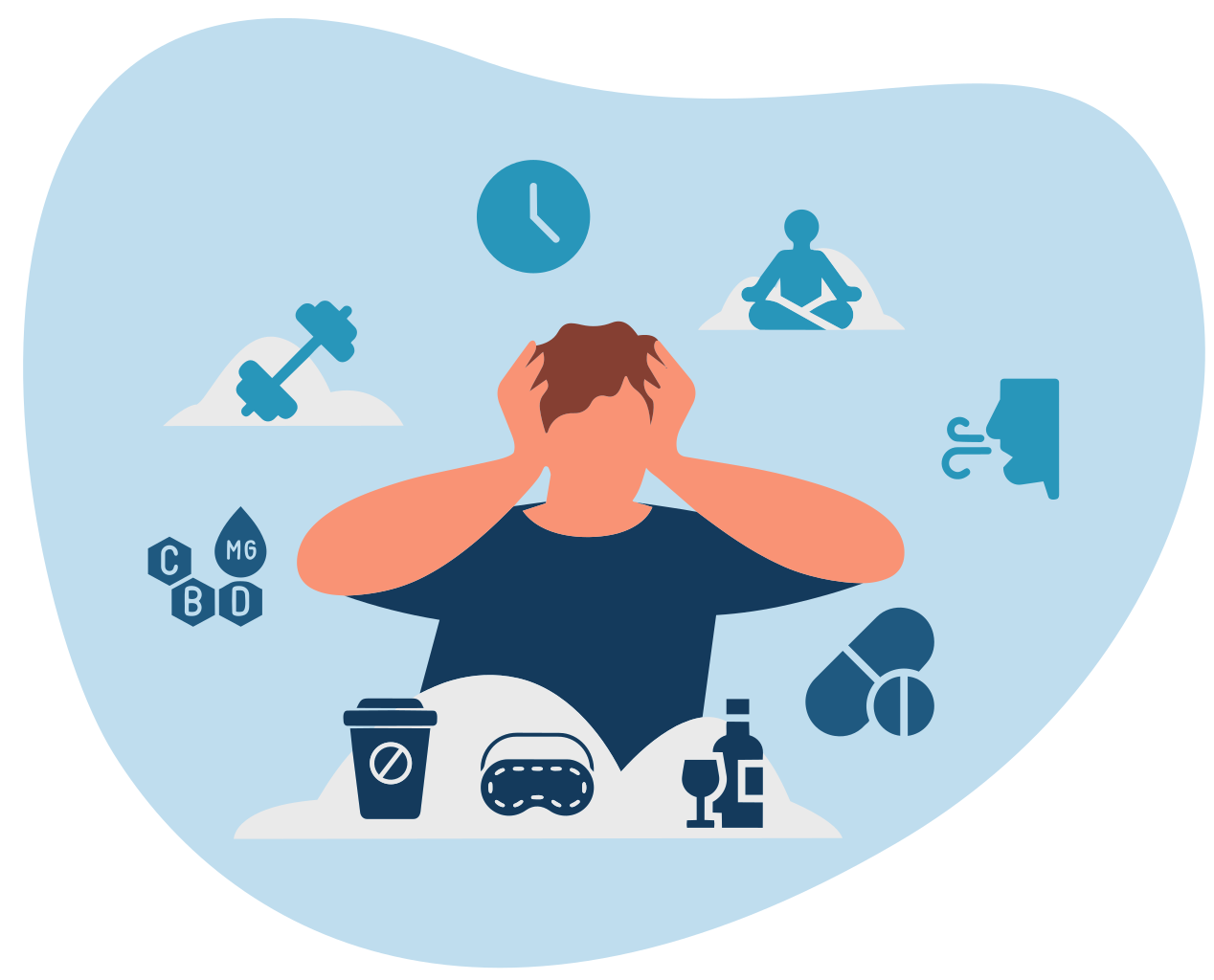
Beyond the 'Quick Fix'
Sluzzle focuses on understanding how minds often respond to not sleeping. We don't offer any "quick tricks", but we do provide the tools to build a different, more flexible relationship with sleep over time.